
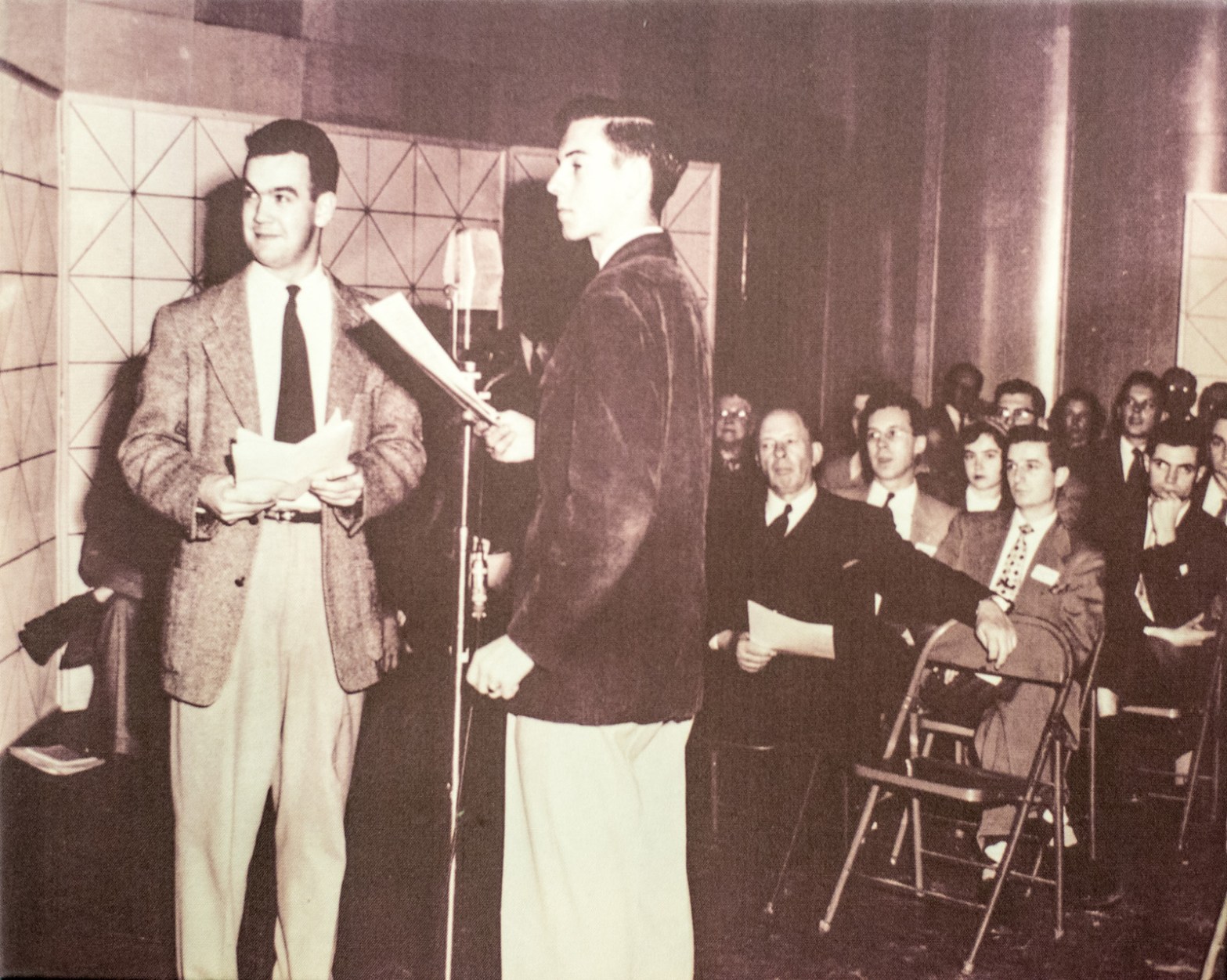
WUNC and its owner, the University of North Carolina at Chapel Hill, say they’ve kept the station editorially independent. But the university is an interested party with a hand in choosing a new president to set the course for North Carolina’s largest NPR affiliate.
Month: March 2022
At WUNC a New Effort to Close Longstanding Gaps on Race

A cross-department diversity and inclusion committee is working with a broad agenda and long-range commitment, but the station’s staff, leadership and audience are short on Black representation in a diverse region and state.
Is WUNC Ready to Turn It Up?
North Carolina’s largest public radio station has banked $20 million in cash with strong broadcast numbers and listener support, but it has also left gaps. Now WUNC is seeking a new president, and a vision for moving forward, in a shifting universe of local news and media.
How Listener Love Helped WUNC Build a $20 Million Reserve
WUNC is a national leader for fundraising success, especially from its “sustaining” members, who have helped boost the station’s reserve to record levels.
#MeToo and the Wake County District Attorney’s Office

A former Wake County prosecutor says she was sexually assaulted by a fellow prosecutor and disclosed the incident to her boss, District Attorney Lorrin Freeman, who took no action. Five employment lawyers tell The Assembly that federal law required an investigation.
The Search for the Next Phoenix
For decades, two congressional districts have been the primary routes for Black candidates seeking federal office in North Carolina. With redrawn lines, that could change in November—if Democrats match their votes with their rhetoric.
The Inner Banks’ Rising Tide

Sea-level rise on the Outer Banks captures the most attention, but along the state’s sounds, a persistent and overlooked effect of rising waters is inflicting costs far outside the budgets of the area’s small towns.
Lorrin Freeman’s Balancing Act

Wake County’s district attorney has taken the middle road during her two terms as one of North Carolina’s most powerful prosecutors. As a contested primary approaches and progressives criticize her cautious incrementalism, a verdict from voters awaits.
Bail Reform and the Criminalization of Poverty

As Wake County considers new pretrial release guidelines, low-income and mentally ill people are being locked up.
The Evolution of Damon Chetson

Wake’s would-be progressive reformer started out at a Koch-funded think tank.