

Glenda Gilmore, the author of a new book about acclaimed artist Romare Bearden, talks to books editor Wiley Cash.
Tag: Charlotte
An Artist’s Reckoning

A new book explores acclaimed artist Romare Bearden’s roots in North Carolina and how his work grappled with his family’s experience in the South.
Alberta White’s Last Chance
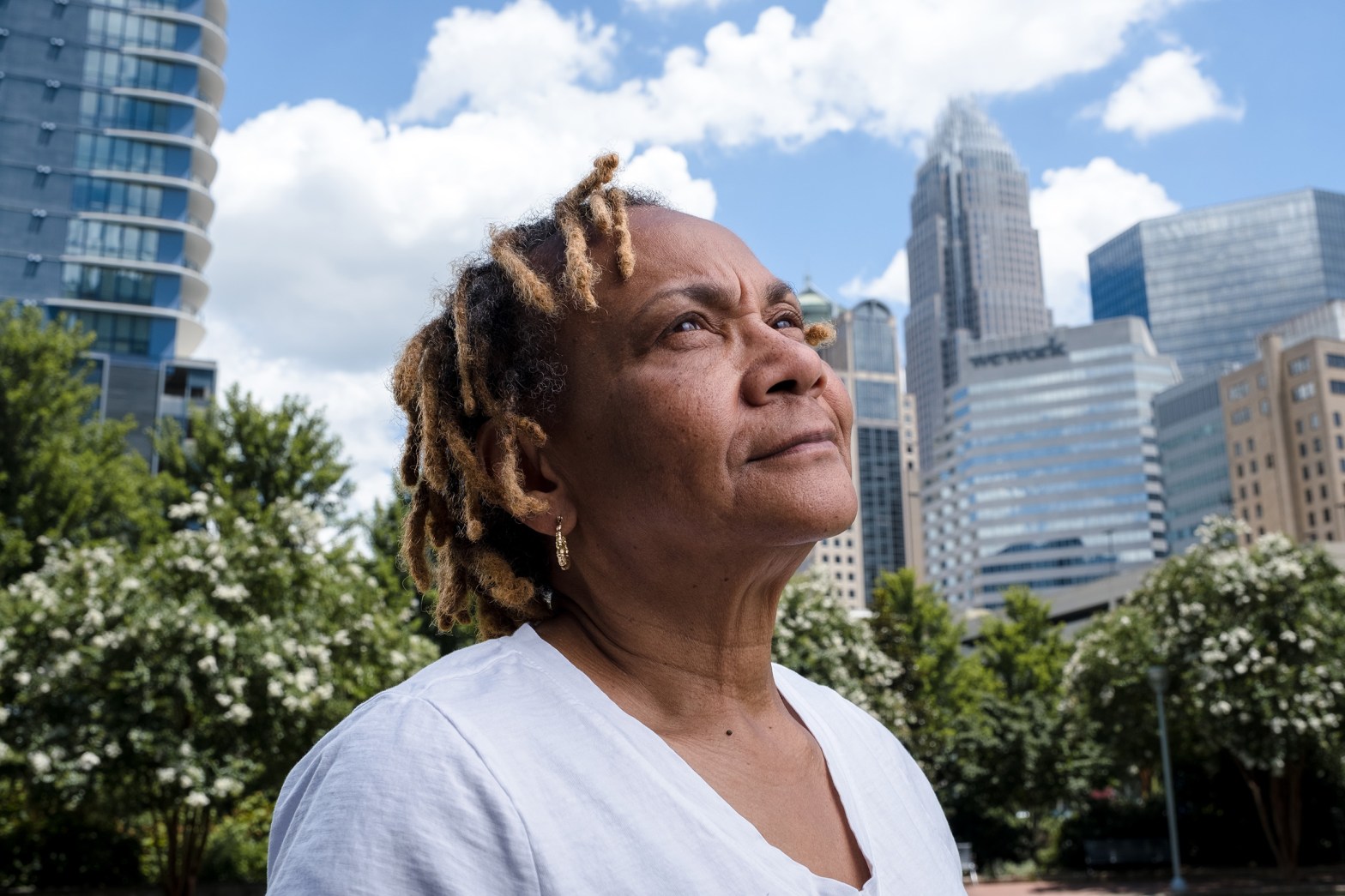
Alberta White was exactly one year out from her release date when prison officials told her she had 45 minutes to collect everything she owned and get on a bus. It was Black Friday 2019, and she wasn’t even told where she was going—just that she was being moved out of the North Carolina Correctional… Continue reading Alberta White’s Last Chance
A New Wave Of Top Chefs

North Carolina’s food scene—and Black chefs in particular—are getting a new level of attention in this year’s James Beard Foundation Awards.
The Lithium War Next Door
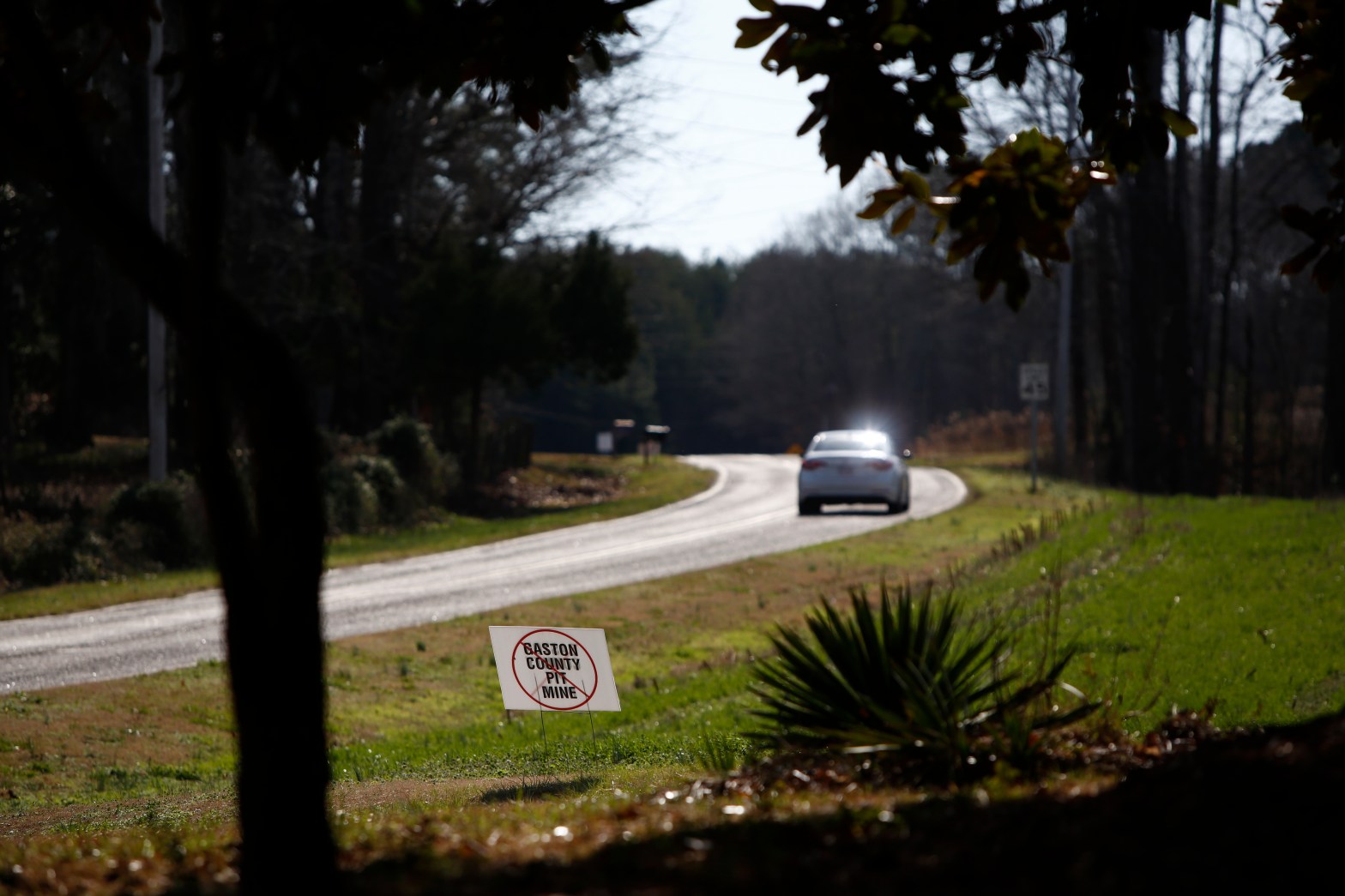
A lithium mining startup promised to make Gaston County a clean-energy boomtown. But perceived slights and concerns over water have turned neighbors against the project.
Patrick Cannon’s Campaign for Redemption

The former Charlotte mayor was the youngest person ever elected to the city council but went to prison for taking bribes. Queen City voters are wrestling with whether to give him another chance.
Pat McCrory’s New Game

The former Charlotte mayor and governor considers himself a Reagan Republican and believes in “constructive conservatism.” Now, as he runs for the U.S. Senate against a Trump-endorsed candidate, the ground has shifted—and he’s trying to find his footing.
Football, Soccer, Fútbol
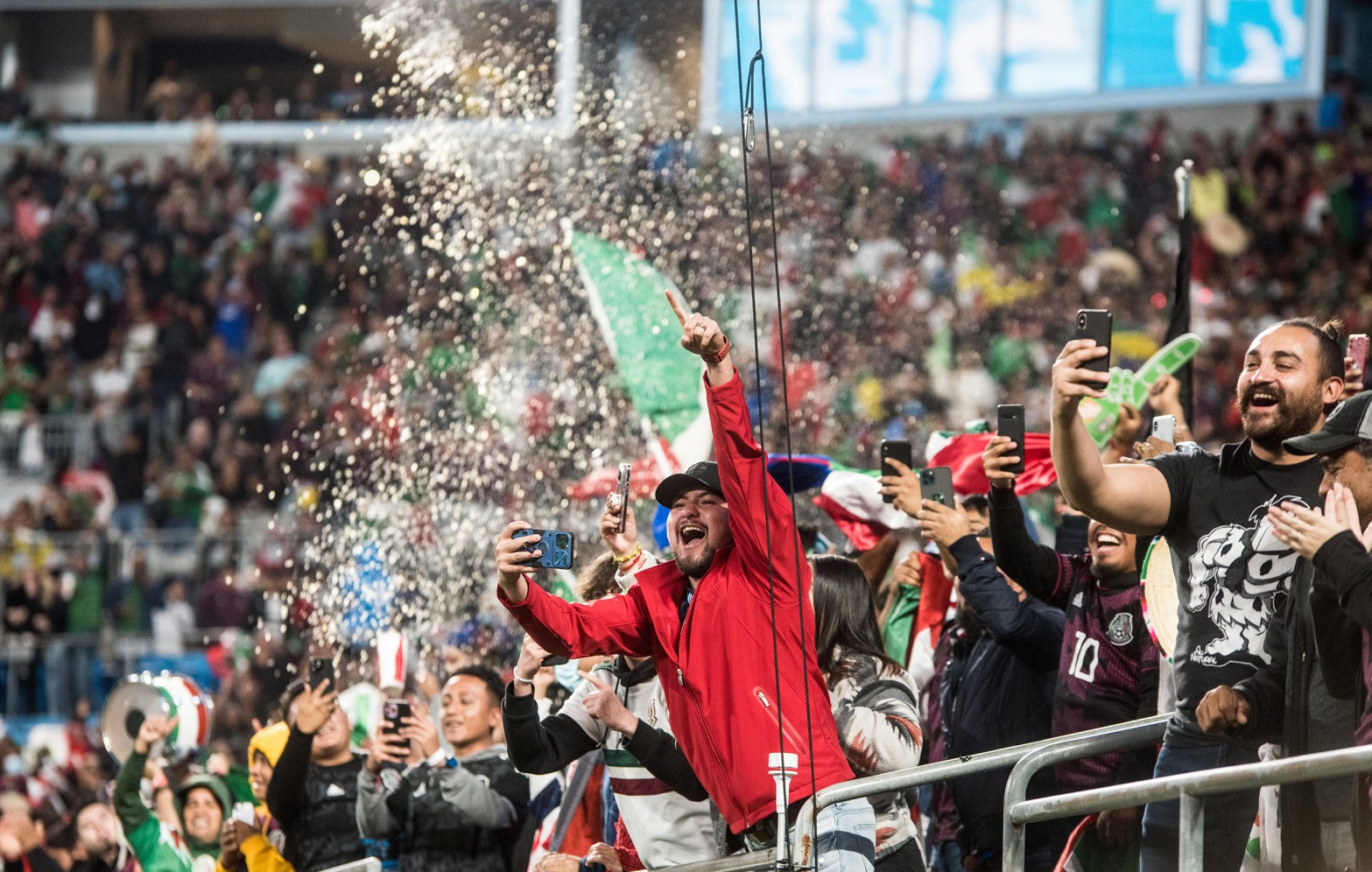
Big investments in professional soccer could reshape North Carolina’s sports landscape and its biggest cities. In Charlotte, success depends on combining Hispanic and white fan bases—and their two very different soccer cultures.
David Tepper’s Charlotte Conquest (and SC, too)
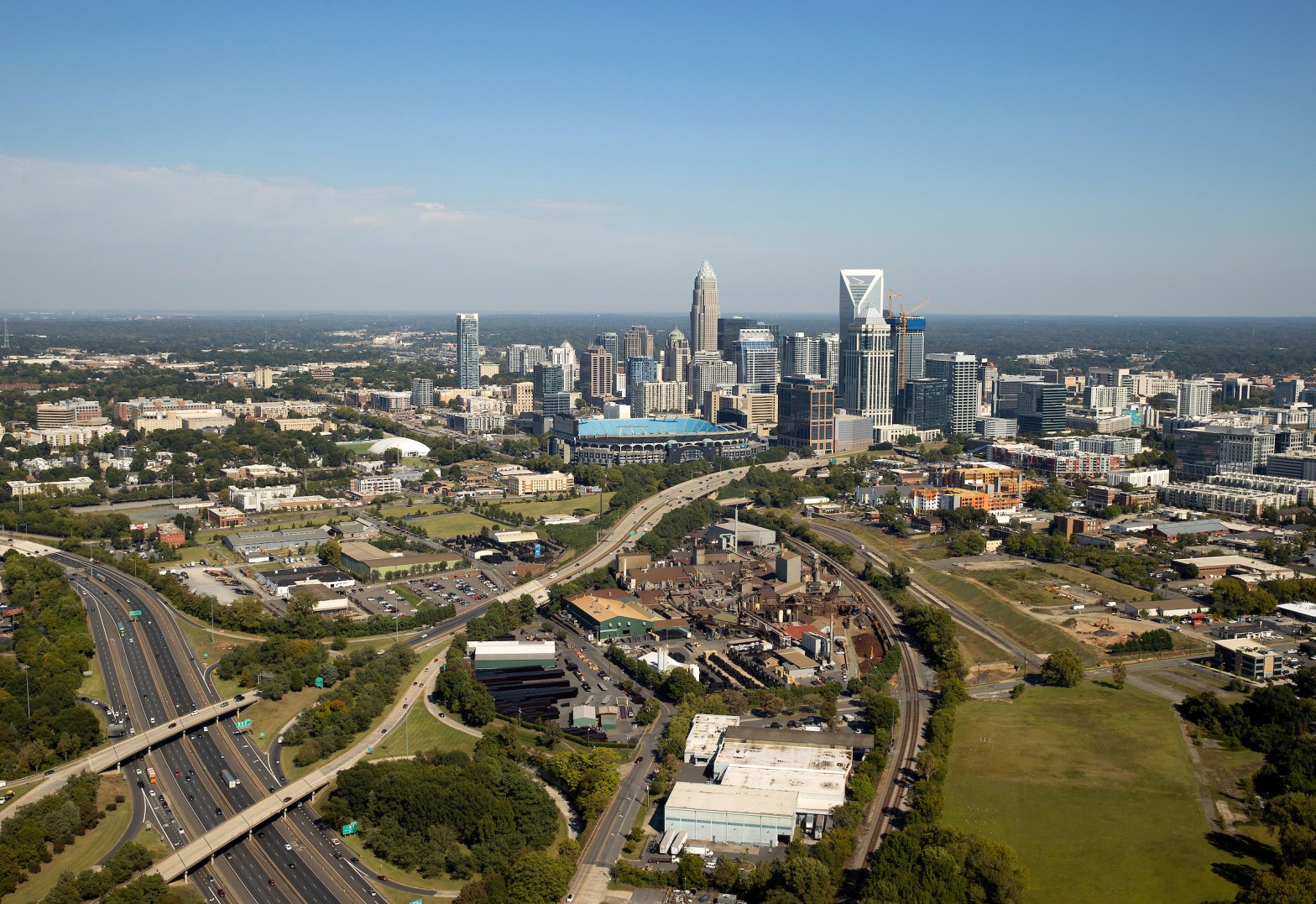
The Carolina Panthers owner is a tough finance bro who knows how to use leverage to get what he wants—and he wants a lot from Charlotte, including a new stadium. It’s a complicated challenge for a city that’s never seen anyone quite like him.
Searching for McClatchy’s North Carolina Future

The News & Observer and The Charlotte Observer remain the state’s most powerful and essential media outlets. But as North Carolina faces a dire local news and information crisis, the papers’ new ownership, shrinking footprint, and challenging business environment raise doubt about their future as the center of the state’s media world.